What Should a KG1 Child Know by the End of the Year?
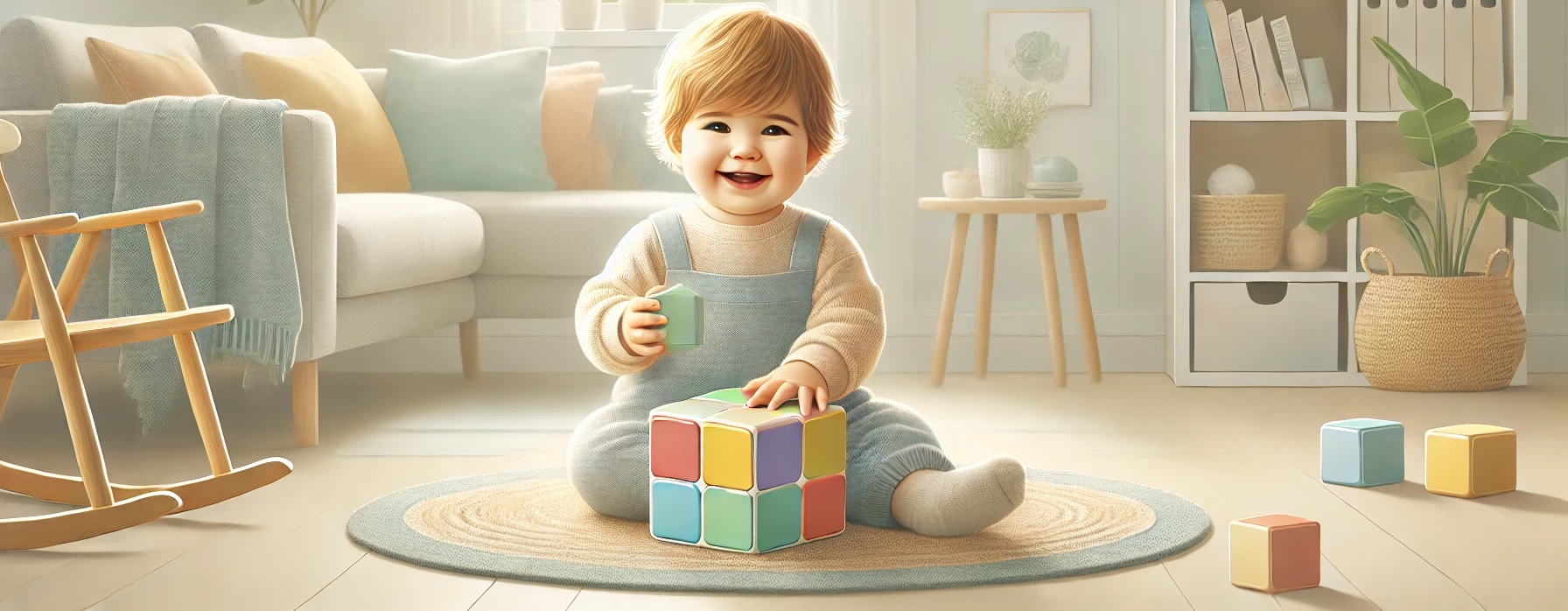
Kindergarten 1
KG1 is a magical and essential stage in a child’s early learning journey. It’s often the first time a child enters a structured learning environment - full of new experiences, friendships, and discoveries. But what exactly should a KG1 child know by the end of the year?
Let’s explore the key developmental and academic milestones expected of KG1 learners, helping parents and educators support a joyful and well-rounded early education experience.
Cognitive and Academic Development
At this age, learning is play-based and exploratory. By the end of KG1, children typically
Early Literacy
➧ Recognize some or all uppercase letters
➧ A-Z.
➧ Recognize some lowercase letters, especially the letters in their name.
➧ Identify their own name in print.
➧ Understand that print carries meaning
➧ signs
➧ labels
➧ books
➧ Begin to identify sounds of some letters
➧ phonemic awareness.
➧ Enjoy listening to stories, rhymes, and songs.
➧ Begin to retell familiar stories with help.
➧ Pretend to read or show interest in books.
➧ Begin tracing or copying letters, especially those in their name.
Focus is on recognition and exposure, not mastery of reading.
Early Math
➧ Count by rote to at least 10 or 20.
➧ Recognize numbers 1-10
➧ or beyond.
➧ Count objects using one-to-one correspondence
➧ up to 10 items.
➧ Sort objects by size, color, or shape.
➧ Recognize basic shapes
➧ circle
➧ square
➧ triangle
➧ rectangle
➧ Understand basic size comparisons
➧ hot | cold
➧ long | short
➧ Match and group objects by simple attributes.
Math in KG1 is very concrete - based on real-world experiences and manipulatives.
Social and Emotional Development
KG1 is a big step socially, and much of the year focuses on helping children
➧ Adjust to routines and transitions
➧ circle time
➧ snack time, etc.
➧ Follow simple directions
➧ 1-2 steps.
➧ Share toys and take turns with peers.
➧ Express feelings with words
➧ "I’m sad"
➧ "I want to play"
➧ Play cooperatively in pairs or small groups.
➧ Begin resolving small conflicts with adult support.
➧ Develop self-regulation skills, like waiting and listening.
➧ Show pride in accomplishments and build confidence.
This is a foundational year for developing empathy and independence.
Fine and Gross Motor Development
Developing motor skills is a key part of KG1. By the end of the year, children typically
Fine motor skills
➧ Hold crayons and markers with control
➧ not necessarily perfect pencil grip.
➧ Trace basic lines and shapes.
➧ Use scissors to cut along straight or curved lines.
➧ Build with blocks, beads, or other manipulatives.
➧ Color within large shapes.
➧ Begin to write or copy their name.
Gross motor skills
➧ Run, jump, hop, and climb with coordination.
➧ Catch and throw a ball with some accuracy.
➧ Walk in a straight line or balance on one foot briefly.
➧ Participate in music and movement activities.
Daily movement is crucial - through play, dance, and outdoor activity.
Science and Discovery
In KG1, science is all about exploration and observation. By year’s end, children should
➧ Use their five senses to observe and describe the world.
➧ Identify weather and seasons
➧ hot | cold
➧ rainy | sunny
➧ Talk about animals and plants using simple words.
➧ Explore cause and effect through play and hands-on activities.
➧ Recognize basic body parts and their functions.
➧ Ask lots of questions about the world around them.
It’s not about memorizing facts - it’s about building curiosity!
Social Studies and Life Skills
KG1 children are beginning to understand themselves and their place in the world. They can
➧ Talk about themselves and their family
➧ name
➧ age
➧ parents
➧ Recognize community helpers
➧ doctor
➧ firefighter
➧ teacher
➧ Understand classroom roles and routines.
➧ Identify and name classroom objects and materials.
➧ Follow rules like
➧ "be kind"
➧ "clean up" or
➧ "raise your hand"
These topics are taught through stories, role-play, and classroom discussions.
Arts, Music, and Imaginative Play
Creativity blossoms in KG1! Children should have opportunities to
➧ Explore different art materials
➧ crayons
➧ paint
➧ paper
➧ clay
➧ Draw recognizable objects
➧ a sun
➧ house
➧ face
➧ Sing simple songs and participate in action rhymes.
➧ Use instruments to explore rhythm and sound.
➧ Engage in pretend play
➧ shop
➧ doctor
➧ cooking, etc.
➧ Act out simple stories or real-life situations.
Creative expression builds confidence, language, and emotional growth.
Technology Readiness | Optional
If available, some children may
➧ Use a touchscreen to play educational games.
➧ Recognize basic computer parts
➧ screen
➧ keyboard
➧ mouse
➧ Follow simple digital instructions with adult guidance.
This is optional and should be developmentally appropriate and limited.
Final Thoughts
KG1 is not about academics alone - it's about nurturing curiosity, confidence, independence, and joy in learning. Every child grows at their own pace. What’s important is consistent progress, hands-on exploration, and a safe space to thrive.
With loving support from teachers and caregivers, your KG1 child will blossom and be ready to soar in KG2!
Read ➧ Kg2 Checklist