What Should a 3rd Grader Child Know by the End of the Year?
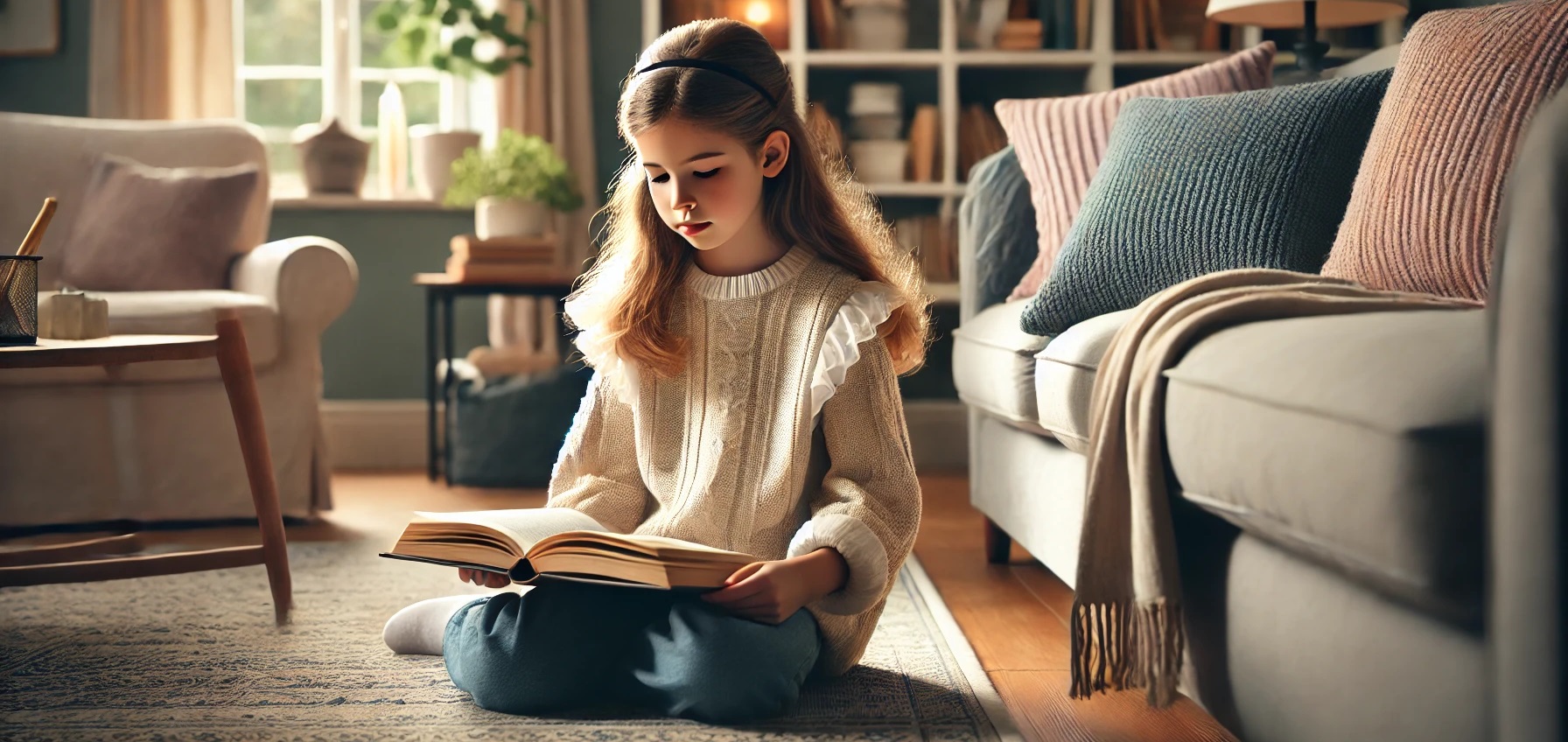
Grade 3
Grade 3 is often considered a turning point in elementary education. It’s the year students transition from “learning to read” to “reading to learn.” They’re expected to become more independent thinkers, apply problem-solving skills, and deepen their understanding of core academic subjects.
As students take on more responsibility, this year sets the foundation for upper elementary success.
Here's a detailed guide to what a third grader should know by the end of the school year.
Reading Skills
By the end of Grade 3, students should be able to
➧ Read and understand longer, more complex texts.
➧ Determine the main idea and supporting details.
➧ Use context clues to determine the meaning of unknown words.
➧ Identify story elements
➧ characters
➧ setting
➧ plot
➧ theme
➧ and point of view
➧ Make predictions, inferences, and draw conclusions.
➧ Compare and contrast texts, characters, or ideas.
➧ Read fluently with proper pace, tone, and expression.
Writing Skills
Writing becomes more structured and detailed. Third graders should be able to
➧ Write multi-paragraph compositions with an introduction, body, and conclusion.
➧ Use linking words and phrases
➧ because
➧ therefore
➧ for example
➧ Organize ideas logically and stay on topic.
➧ Write different types of texts
➧ narrative
➧ opinion
➧ explanatory | informative
➧ Use correct grammar, punctuation, and capitalization.
➧ Edit and revise their writing for clarity and improvement.
➧ Spell grade-appropriate words and use dictionaries or digital tools to check spelling.
Mathematics
Math in Grade 3 focuses on building problem-solving and critical-thinking skills. Students should be able to
➧ Multiply and divide within 100 and understand the relationship between the two operations.
➧ Memorize multiplication and division facts
➧ times tables up to 10 × 10.
➧ Solve two-step word problems using the four operations
➧ addition
➧ subtraction
➧ multiplication
➧ division
➧ Understand place value up to 10,000.
➧ Round numbers to the nearest ten or hundred.
➧ Understand fractions as numbers and identify fractions on a number line.
➧ Compare fractions with the same denominator or numerator.
➧ Tell time to the nearest minute and solve elapsed time problems.
➧ Measure length, weight, and volume using standard units.
➧ Interpret bar graphs, line plots, and pictographs.
Science
Third grade science introduces more hands-on inquiry and real-world connections. Students often explore
➧ The scientific method: ask questions, make predictions, conduct experiments, and record observations.
➧ Forces and motion
➧ pushes
➧ pulls
➧ gravity
➧ magnets
➧ Life cycles of plants and animals.
➧ Habitats, ecosystems, and food chains.
➧ Weather patterns, climate, and the water cycle.
➧ Earth science topics such as rocks, soil, and natural resources.
➧ Basic concepts in light, sound, and energy.
Social Studies
In Grade 3, students build on their understanding of communities and explore broader social concepts, including
➧ Local, national, and global communities.
➧ How geography influences culture, trade, and lifestyle.
➧ Government basics
➧ branches
➧ leaders
➧ and civic responsibilities
➧ Historical figures and important events.
➧ Map skills
➧ reading maps
➧ using a compass rose
➧ identifying landforms
➧ Cultural diversity and respect for others’ traditions.
Social and Emotional Development
Third graders are expected to
➧ Follow multi-step directions and complete longer tasks independently.
➧ Set goals and work toward achieving them.
➧ Demonstrate responsibility for their belongings and assignments.
➧ Manage emotions and resolve conflicts more independently.
➧ Show respect and cooperation in group settings.
➧ Accept constructive feedback and learn from mistakes.
Technology Skills
Third graders are typically able to
➧ Type complete sentences and short paragraphs.
➧ Use word processing tools to write and edit work.
➧ Conduct basic internet research with adult guidance.
➧ Use educational platforms or learning management systems.
➧ Understand basic digital citizenship
➧ online safety
➧ kindness
➧ privacy
Fine Arts and Creativity
Art, music, and physical education help round out the Grade 3 experience
➧ Explore creative expression through drawing, painting, singing, or playing instruments.
➧ Recognize and describe elements of art and music.
➧ Participate in group performances or creative presentations.
➧ Develop coordination, teamwork, and sportsmanship in physical activities.
How Parents Can Support
➧ Encourage daily reading of both fiction and nonfiction texts.
➧ Practice multiplication facts regularly through games and flashcards.
➧ Discuss school topics at home to reinforce understanding.
➧ Support writing through journaling, letters, or creative stories.
➧ Create a homework routine and a quiet study space.
➧ Talk about emotions and social situations to build empathy and resilience.
Final Thoughts
Grade 3 is a big step toward academic independence. Children start to think more critically, organize their thoughts, and work more confidently on their own. It’s a year filled with growth, both intellectually and emotionally.
With the right guidance from teachers and support from home, your third grader will be well-prepared for the challenges and opportunities of Grade 4 and beyond.
Read ➧ Grade 4