Socialization in Homeschooling
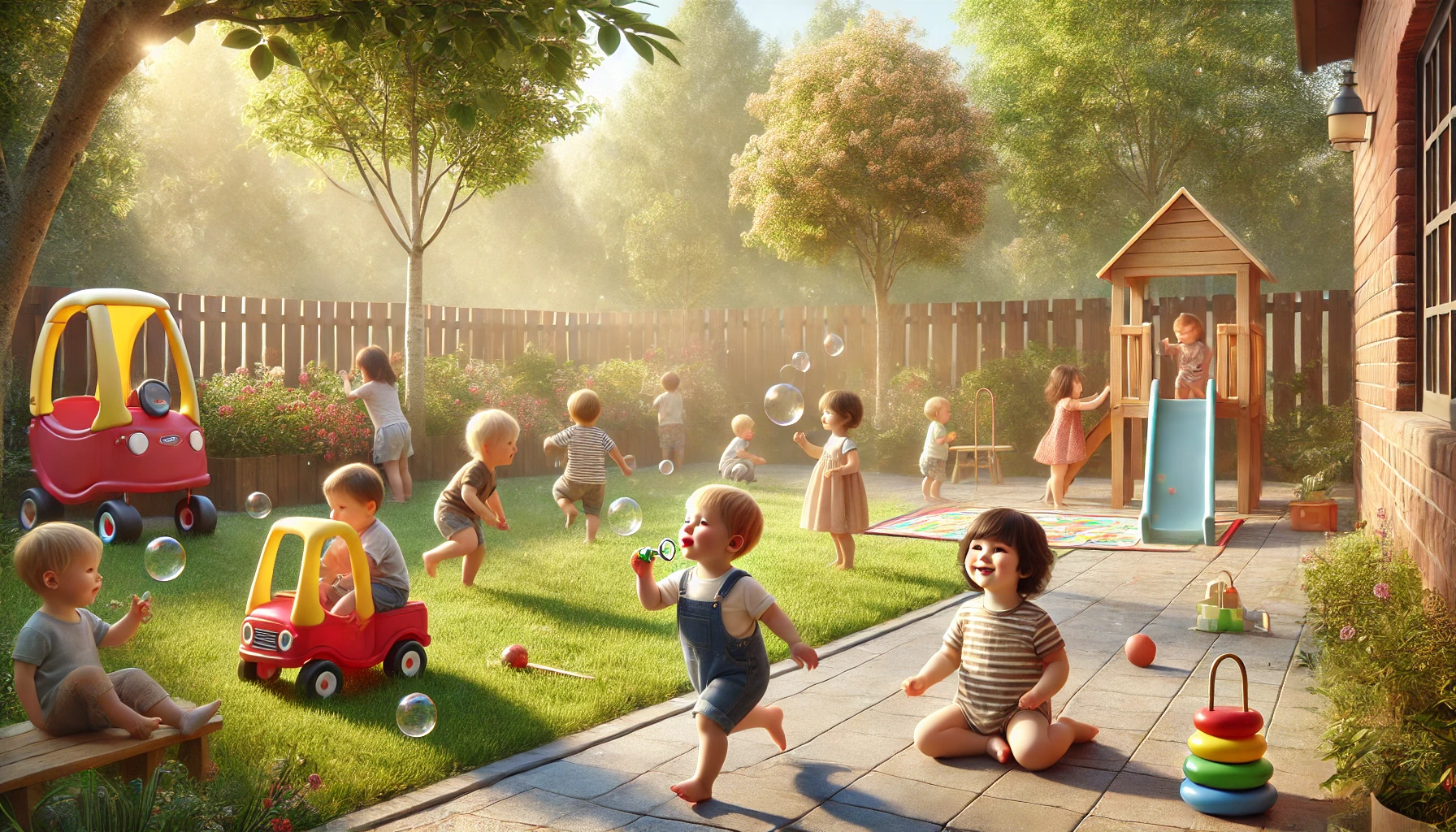
Busting the Myth & Finding Real Community
One of the most common concerns people have about homeschooling is this“But what about socialization?”
There’s a persistent myth that homeschooled kids are shy, isolated, and disconnected.
But here’s the truth | homeschoolers are some of the most socially engaged learners out there. They just socialize differently and often more meaningfully - than kids in traditional school settings.
In this post, we’ll debunk the socialization myth, explore what real social growth looks like for homeschoolers, and give you practical ways to help your child build friendships and confidence.
The Myth
"Homeschoolers Miss Out on Social Skills"This belief assumes that socialization only happens in classrooms, cafeterias, or recess. But true social development isn’t about being around lots of kids all day - it’s about learning how to communicate, cooperate, resolve conflict, and build healthy relationships.
Good socialization happens through meaningful interaction, not just proximity.
The Truth
"Homeschoolers Miss Out on Social Skills"Homeschooled kids have the opportunity to interact with people of all ages - siblings, neighbors, adults, mentors, teammates, not just same-age peers.
What This Looks Like
➧ Asking a librarian for help
➧ Taking turns in a game with younger kids
➧ Chatting with a cashier at the store
➧ Helping an elderly neighbor
➧ Participating in mixed-age learning groups
Where Do Homeschoolers Find Social Opportunities?
You don’t need to recreate a classroom. Socialization happens naturally when you’re plugged into a few good networks.Great Places for Homeschool Socialization
➧ Local homeschool co-ops or enrichment programs
➧ Library events and storytimes
➧ Sports teams or swimming, gymnastics, martial arts
➧ Scouts, youth groups, and community programs
➧ Park days with other homeschoolers
➧ Volunteering at food banks, animal shelters, etc.
➧ Field trips with other families or organizations
Online Socialization | Yes, It Counts!
Especially for tweens and teens, online platforms can offer connection when used wisely.Examples
➧ Virtual clubs
➧ book clubs
➧ art classes
➧ coding groups
➧ Online classes with peer discussion
➧ Pen pal exchanges or safe homeschool forums
➧ Teen leadership or entrepreneurship groups via Zoom
Tip
Supervise younger kids and keep digital socialization guided and purposeful.
What About Making Friends?
Homeschoolers may not be surrounded by 30 classmates every day but they often have deeper friendships with shared interests, not just shared age.How to Help Your Child Make Friends
➧ Join local homeschool Facebook groups and ask about meetups
➧ Attend recurring classes or clubs to build consistency
➧ Plan playdates or study sessions
➧ Encourage hobbies that involve others
➧ sports, music, crafts
➧ Be patient, some friendships take time!
Teaching Social Skills Intentionally
Social skills don’t have to be left to chance, you can teach and model them as part of daily life.Key Skills to Practice
➧ Listening and taking turns
➧ Introducing yourself
➧ Handling disagreements respectfully
➧ Showing empathy
➧ Working as a team
Try games that encourage cooperation
➧ board games
➧ building projects
➧ role-play
Socialization as a Family
One of the sweetest surprises in homeschooling is how close siblings and families can become.Examples
➧ Reading together, cooking together, learning together
➧ Family game nights or team projects
➧ Traveling and experiencing new cultures as a family unit
These experiences build trust, communication, and social maturity that lasts a lifetime.
Final Thoughts
Socialization isn’t a problem in homeschooling, it’s a strength when approached with intention. Homeschoolers often grow up to be confident, adaptable, and socially competent because they’ve practiced engaging with people across generations and settings.
So yes, your homeschooled child will be just fine socially. In fact, they may be more connected and emotionally intelligent than most.Read ☛ “Homeschooling and Working From Home: How to Balance Both Without Burnout” We’ll explore time management tips, routines, and realistic expectations for busy working homeschool parents.
About Blossomings
Blossomings is an educational platform dedicated to providing high-quality
English learning materials, worksheets, and structured lessons for learners worldwide.
Our goal is to make learning English simple, engaging, and accessible for everyone.